


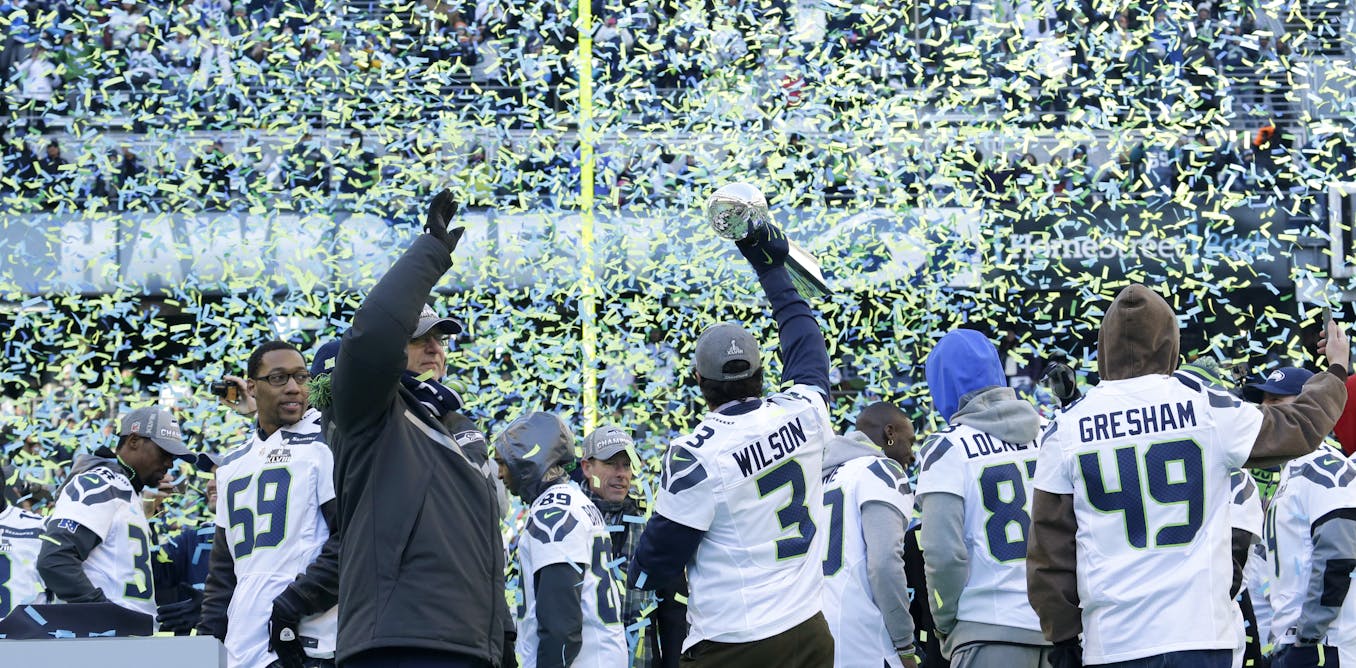
How the Seattle Seahawks’ sale will score a touchdown for charity 8 years after Paul Allen’s death
Selling a sports team is a complex and multifaceted process that involves a myriad of moving parts and considerations. Unlike selling assets found in a typical estate, such as houses and cars, the sale of a sports team requires a unique set of skills, knowledge, and expertise. From navigating the intricate world of professional sports leagues to understanding the financial implications of such a transaction, selling a sports team is not for the faint of heart.
One of the primary challenges of selling a sports team is the sheer amount of stakeholders involved in the process. Unlike selling a house or a car, where the transaction typically involves only the buyer and the seller, selling a sports team requires the approval of multiple parties. These parties can include the team’s current owners, the league in which the team competes, and even the fans themselves. Each of these stakeholders has their own set of interests and priorities, which must be carefully considered and managed throughout the sale process.
Another major difference between selling a sports team and selling traditional assets is the level of due diligence required. When selling a house or a car, the buyer typically conducts a thorough inspection to ensure that the asset is in good condition and meets their needs. However, when selling a sports team, the due diligence process is much more complex. Potential buyers must not only evaluate the team’s financial performance and potential for growth, but also consider the team’s brand value, fan base, and competitive position within the league.
In addition to these logistical challenges, selling a sports team also requires a deep understanding of the legal and regulatory environment in which professional sports operate. Each sports league has its own set of rules and regulations that govern ownership changes, and potential buyers must navigate these rules carefully to ensure a smooth and successful transaction. This can be particularly challenging for first-time buyers or investors who are not familiar with the intricacies of the sports industry.
Furthermore, selling a sports team is often a highly emotional process for both the buyers and the sellers involved. For many team owners, their team is not just a business asset, but a labor of love and a source of pride. The decision to sell a team can be a difficult and emotional one, and owners may struggle with feelings of attachment and nostalgia as they consider parting ways with their beloved franchise. On the flip side, potential buyers may also feel a deep emotional connection to a team that they are considering purchasing, and may be willing to pay a premium to acquire a team that holds a special place in their hearts.
Despite these challenges, selling a sports team can also be a highly lucrative and rewarding endeavor for both buyers and sellers. The sports industry is a multi-billion dollar business that continues to grow year after year, and owning a professional sports team can be a lucrative investment opportunity for those with the financial means and the strategic vision to succeed. For buyers, acquiring a sports team can be a way to enter the exclusive world of professional sports, build a successful business empire, and leave a lasting legacy in the sports industry. For sellers, selling a sports team can be a way to cash in on their investment, realize a significant return on their initial purchase, and pave the way for new opportunities and ventures.
In conclusion, selling a sports team is a complex and challenging process that requires a unique set of skills, knowledge, and expertise. From navigating the intricate world of professional sports leagues to understanding the financial implications of such a transaction, selling a sports team is not for the faint of heart. However, for those who are willing to put in the time, effort, and resources required, selling a sports team can be a highly lucrative and rewarding endeavor that opens up a world of opportunities and possibilities.
Source: The Conversation Africa





















 LIVE
LIVE LIVE
LIVE


